Protecting you, your family, your business

Protecting you, your family, your business

It is easy to be cynical about insurance companies, as most people only deal with general insurance, for a car, house or appliance and many of us may have experienced difficulties in making a successful claim, which at a time of stress can feel like a very long and tedious process.

However when it comes to financial protection, despite the occasional negative news story, you may be interested to know that in 2015 over £5bn was paid in successful claims. FIVE BILLION. Yes some claims were declined – but only 3.04% of them. The vast majority of claims declined were for total permanent disability of which a third were declined. TPD is often an “add on” feature to some forms of cover and the clue to a successful claim is in the term itself. Still, even with this high rate of failed claims, in 2015 £37.8m was paid to 581 claimants, that’s an average of £65,213 per successful claimant (which may also give rise to the attempt to make a claim!).

As for life assurance, a total of £3.3bn was paid out in 2015 with only 1.91% of claims rejected (I have no idea why, but imagine that non-disclosure of pertinent medical information was probably the likely cause).
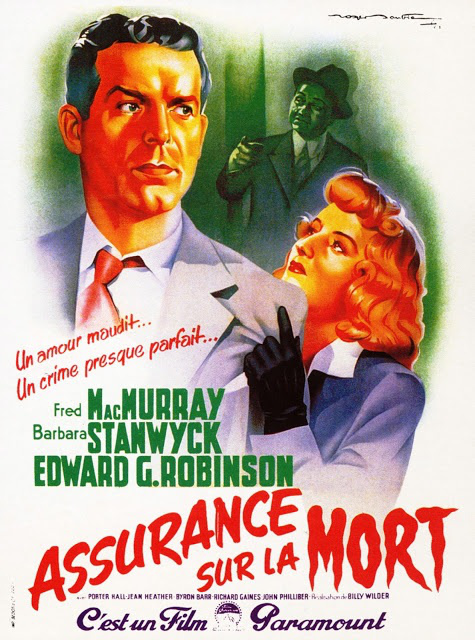
Serious Money, Serious Illness

£1.1bn was paid in critical illness claims, an average claim of £61,677 to the 17,854 people who had a policy and claimed on it last year. Critical Illness provides a lump sum upon diagnosis of a serious illness such as cancer, heart attack or a stroke (and other serious illnesses).

Income Protection paid out £478m in claims to 92.71% successful claimants, each receiving an average of £17,087 as income.

This reminds me of the National Lottery, which most players are unlikely to ever win anything significant – or life changing. The chance of doing so is far higher (as in far less likely) than that of death or having a serious illness. So pause for a moment, reflect that these people and employers had cover, which means that the claimants were not as reliant upon the State or charity as they might otherwise have been.

These figures were released by the ABI (Association of British Insurers and Group Risk Development (GRiD) on 9 June 2016. Lee Lovett, Chairman of GRiD commented that:

“Despite this, the major challenge for our industry is that a material proportion of the working population have no (or insufficient) cover and GRiD’s focus is on improving awareness and ultimately increasing the number of lives that have access to cover via their employer.”

Dominic Thomas
Solomons IFA

You can read more articles about Pensions, Wealth Management, Retirement, Investments, Financial Planning and Estate Planning on my blog which gets updated every week. If you would like to talk to me about your personal wealth planning and how we can make you stay wealthier for longer then please get in touch by calling 08000 736 273 or email [email protected]
Protecting you, your family, your business2025-01-21T15:44:00+00:00

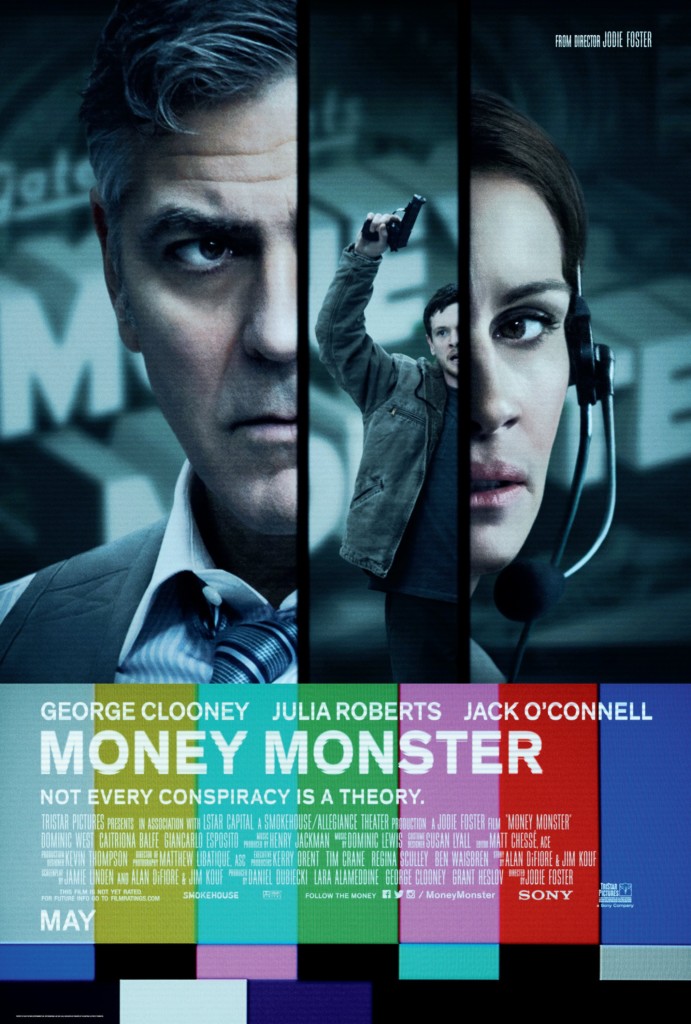
Money Monster

Money Monster

The latest George Clooney movie is on general release. It continues the theme of some elements of Hollywood questioning the current state of capitalism, yet recognises that the language used within financial circles is almost impenetrable and many feel so powerless that the impetus to understand is invariably lost.

Clooney plays Lee Gates, one of those dreadful money pundits on American TV stations that constantly cover the markets. If you have ever had the misfortune to tune into this sort of television you will know precisely what I mean. He is the worst sort of journalist – a TV presenter, who comments on markets and shares without context or thought of consequence. Regrettably this is not exclusive to the US, but within our own media too – both televised and written. The tempo may be different, but the problem is essentially the same. This is, for want of a better term, financial porn.

Financial Porn

Any glance at any financial publication over the last 10 years will reveal the same rather sad truth – the media appear to have little choice but to grab our attention with ever depressing or outrageous headlines. This reflects on us all and our overstuffed in-box lives, to which I am both a contributor and recipient.

The story itself revolves around Kyle, an irate investor who followed Lee Gates’ advice, but sank all his savings into this one “sure thing”. The stock collapses due to a “computer glitch” and he loses a lot of money. Kyle takes matters into his own hands, armed and in search of answers, takes the TV studio hostage. It’s a decent movie.

Lessons for investors

There are some obvious lessons for investors here. Firstly, all investment should have a context. There is no such thing as certainty, some things are much more likely than others, but not certain. I cannot guarantee that the sun will rise in the morning, but we all expect it will, but it’s not guaranteed. Do not invest all your money into one stock. Do not bet your future on a tip from a TV pundit or any other journalist – none of whom are accountable for the “advice” (that isn’t advice). Finally, in the event that the stock or investment collapses, few investments ever reduce to a value of nothing. It certainly is possible for a company to go bust, hence its share price worth “nada” but most investments are not single stocks. So you will not have “lost all your money” if the investment has a value, so does your investment. Ironically, in the film, the loss Kyle experiences would have been made far worse by the resulting story, not better.

I enjoyed the film, it poses some good and frequently asked questions. I would be happy to recommend it to you, about what not to do with your own money. Here is the trailer. It’s out now.

Dominic Thomas
Solomons IFA

You can read more articles about Pensions, Wealth Management, Retirement, Investments, Financial Planning and Estate Planning on my blog which gets updated every week. If you would like to talk to me about your personal wealth planning and how we can make you stay wealthier for longer then please get in touch by calling 08000 736 273 or email [email protected]
Money Monster2025-01-27T16:27:50+00:00

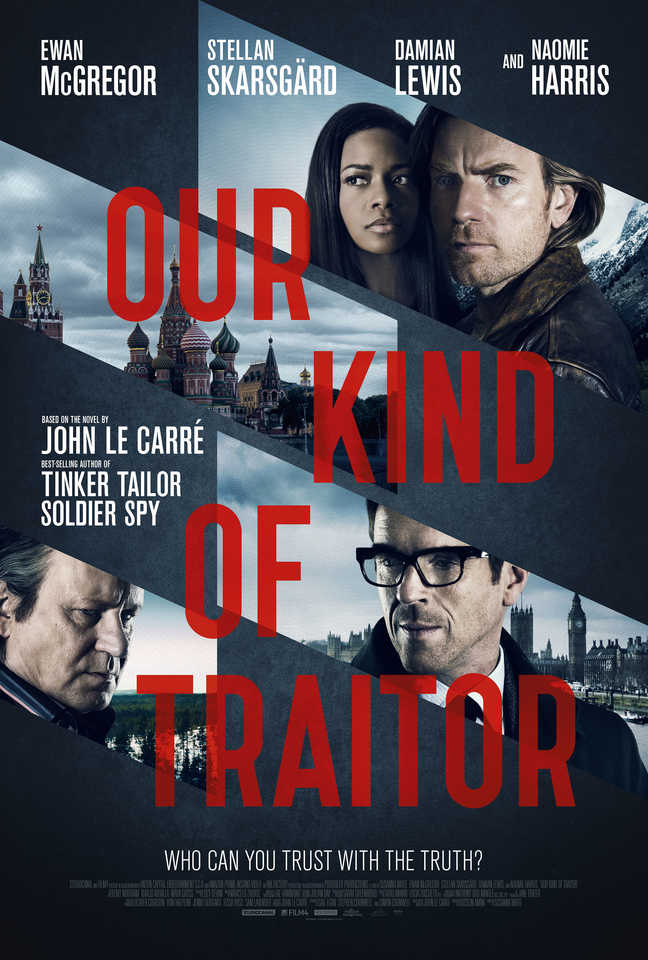
Our Kind of Traitor

Our Kind of Traitor

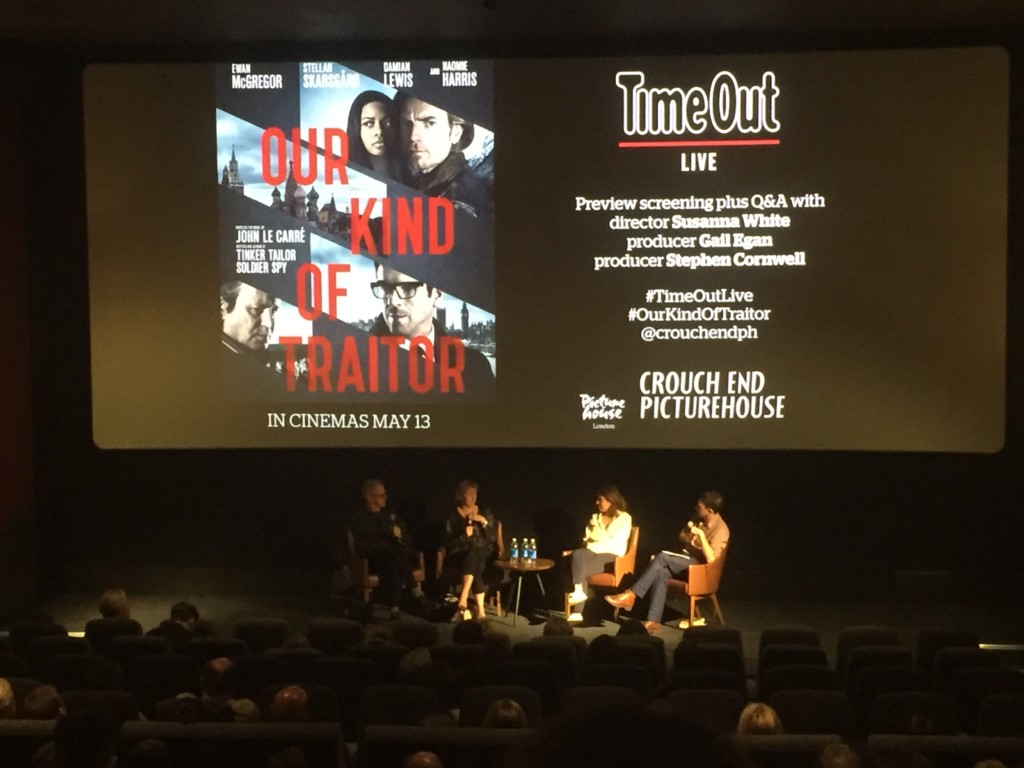
The new film “Our Kind of Traitor” is based on the 22nd novel by John Le Carre of the same name. For those of you that enjoy some espionage, intrigue and have nagging suspicions about who is really protecting who, this is definitely one film for you.

The story is set within the context of a relationship that is undergoing some difficulties and attempting to find a way forward from a break in Morocco. Work interrupts leaving a brief vacuum into which Dima, a glittering, persuasive millionaire steps.

It transpires that Dima is of course somewhat of a figurehead in the Russian mafia, however he is under pressure to surrender his power to someone higher up the food chain. The drama is set with a potential trade of family lives for information.

Money, Sex and Power

As ever Le Carre points to the colour of money and the interchangeable values that it solicits. He questions the lack of questioning posed by the powerful when the sums are significantly enticing enough to look the other way, ask no questions, tell no lies. Le Carre has a regular discussion about the dynamic of money, sex and power. Indeed these are probably the basis for almost every thriller within the genre.

Whilst we may not find ourselves in the same position as Perry and Gail (Ewan McGregor and Naomie Harris) we do find ourselves regularly facing buying and investing decisions, from the apparently minor issues of everyday grocery shopping to how we vote. At a time when the City and those within the financial services are still largely untrusted, this film asks questions about provenance.

Of course, those within the financial services industry can point to a catalogue of incidents where “looking the other way” was detected by the regulator, resulting in considerable yet insufficient fines to truly deter such practice and culture (despite assurances that lessons have been learned). It would seem that the big fish generally do get away with it, whilst any financial adviser failing to do the required checks would face rather harsher punishment. There is little escaping the sense that the rules do not apply equally, something I imagine that Mr Le Carre would say.

Here’s the trailer.

Dominic Thomas
Solomons IFA

You can read more articles about Pensions, Wealth Management, Retirement, Investments, Financial Planning and Estate Planning on my blog which gets updated every week. If you would like to talk to me about your personal wealth planning and how we can make you stay wealthier for longer then please get in touch by calling 08000 736 273 or email [email protected]
Our Kind of Traitor2025-01-28T09:57:06+00:00

So where are our blindspots?

So where are our blind spots?

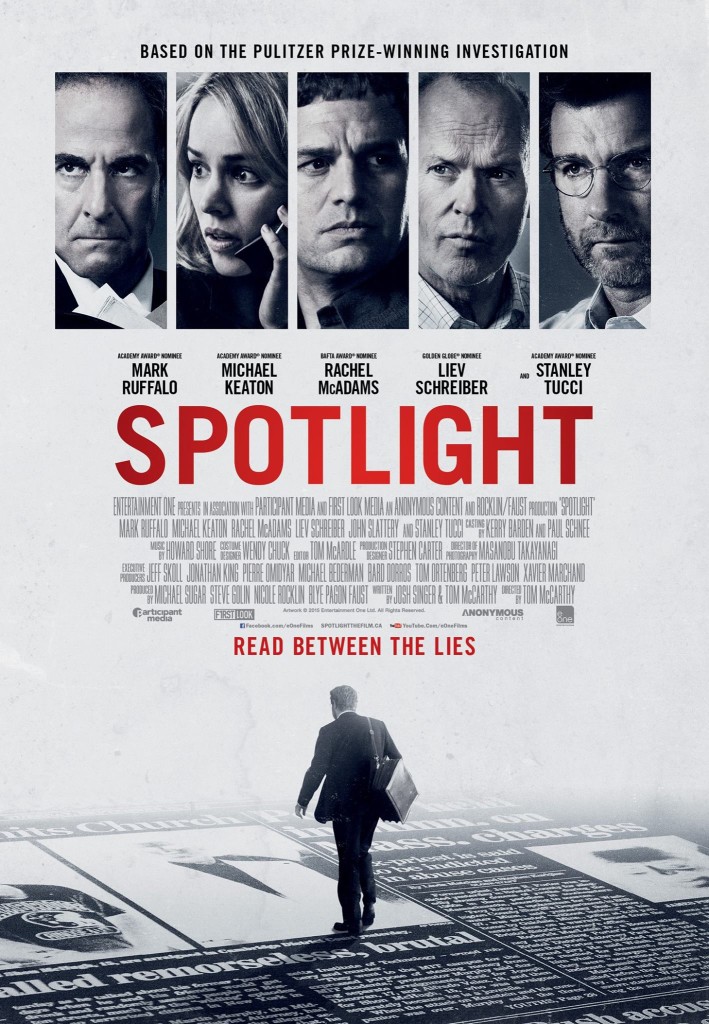
The new movie Spotlight is both horrific and brilliant. It is in the same genre as “All The President’s Men” but is about the story of a local community that ignored the child abuse in their midst at the hands of the local catholic church. The collective blind spot on many levels in all walks of life.

Whilst the story is fascinating and a triumph of investigative journalism, the subject matter is of course alarming. Yet whilst we may be disturbed by the, frankly deliberate corruption, there isn’t the typical easy solution of laying the blame squarely at one person or institution. There is very much a sense of collective failure to act on the seemingly obvious.

Don’t misunderstand me, clearly the perpetrators are responsible for their horrendous actions, but the film also exposes the problems of a culture that doesn’t wish to rock the boat if “best interests” are to be served.

A Painful Truth

The great sadness of the film is the damage that is done by the abusers, who largely appear to continue their unrepentant behaviour. Yet of course, whilst this is set in Boston, the uncomfortable truth is that most abuse does not happen in the church, it happens in homes, across the country in alarming numbers…. in our own villages, towns and streets. Yet, I imagine that few of us are confronted by this reality, perhaps I’m wrong.

The truth is often painful which is of course why we generally wish to avoid it. It is easier to believe that abusers damage a small number of people and get caught. The truth is perhaps rather different. The issue of child abuse is of course incredibly delicate, but the mechanics of our ability to see or confront the truth applies to all aspects of life. Our relationship with immigrants, our foreign policy, our sale of weapons to hideous regimes, our spending habits and addictions.

Having a financial plan that is based around your own values will to some degree reflect your ability to face and handle the “truth”. Financial planners are not magicians, we cannot make pain go away, we can help identify your values and goals and build a plan around them, but we cannot cheat death or illness or disaster. We can insure against them. I wonder sometimes if some people do not have a financial plan, because of a reluctance to hear or see the truth of their current situation as any decent planner will be suggesting some changes to behaviours, which may be uncomfortable. The truth is that we all feel like this at times, but at some point, recognise that the truth is far better than denial.

The movie is now out here in the UK and has some great performances, here is the official trailer.

Dominic Thomas
Solomons IFA

You can read more articles about Pensions, Wealth Management, Retirement, Investments, Financial Planning and Estate Planning on my blog which gets updated every week. If you would like to talk to me about your personal wealth planning and how we can make you stay wealthier for longer then please get in touch by calling 08000 736 273 or email [email protected]
So where are our blindspots?2025-01-28T14:35:26+00:00

Money Talks

Money Talks

You’ve heard the expression “money talks” I’m sure. Well, if you have tried to open a savings account or current account with a main UK bank in the last 10 years or so you will have observed and experienced a high degree of red tape and hoops that you have to jump through to prove you are who you say you are (even if you’ve been with the bank for your entire adult life).

If you are a client, you will have gathered that we have to verify your identity, residency and source of your funds. We try to make this as painless as possible and apply common sense. This is important (sadly) because there are people out there that are involved in criminal activity, taking money made from drugs and laundering back through legitimate financial arrangements so that it becomes “clean”. Just so that you are clear, if we (or anyone in financial services) suspect this is the case, we have to report it, else risk imprisonment ourselves.

So it was with some degree of surprise that I read that Barclays received yet another eye-watering fine. This time for poor handling of financial crime risks. The fine imposed is £72million. This relates to the lack of checking done on some of their clients…. ultra high net worth clients, who were “politically exposed people” (a term used not just for politicians, but those also in positions of significant public service etc)

Suits you sir…

Barclays were caught arranging £1.9billion (pause, that’s billion)… for a few such ultra high net worth individuals, without the proper checks in place. Perhaps it had something to do with the commission that they earned in the process – some £52.3million (all in a day’s pay). This occurred in 2011 and 2012 when Bob Diamond was at the helm (until July 2012). He resigned as a result of the Libor scandal. Anyway Barclays went to “unacceptable lengths to accomodate these ultra high net worth individuals”.

The FCA have fined Barclays in the hope that it will make them think twice about similar actions in the future. The real motivation is of course the sums involved, and as the FCA’s final notice said the clients involved were ‘politically exposed persons’ which are individuals with a ‘high political profile’ or have or had held public office, and pose a higher money laundering risk as their positions may make them vulnerable to corruption.

So now you know that the regulator thinks such people are at greater risk of corruption. Yet the irony is that had this incident happend at a financial planning firm, like this one, should it have been found wanting in such a manner, a custodial sentence and lifetime ban would have probably been handed down…. so there’s more than a slight degree of “power play” at hand here. Hence a few advisers are more than a little peeved that yet again, despite the big fine, the punishment never lands anywhere other than the shareholders in the Bank… after all aren’t these senior executives remunerated for the risk that they take? isn’t that why the big bank, pays big salaries, to big names to work with other big names and get away with a big golden handshake?

What still perplexes me, is why anyone would ever use a Bank for anything other than a bank account…. yet they do, in their millions.

You can see the FCA fine notice here… for the breach of principle 2.

Dominic Thomas
Solomons IFA

You can read more articles about Pensions, Wealth Management, Retirement, Investments, Financial Planning and Estate Planning on my blog which gets updated every week. If you would like to talk to me about your personal wealth planning and how we can make you stay wealthier for longer then please get in touch by calling 08000 736 273 or email [email protected]

Money Talks2025-01-23T10:56:39+00:00

Anything to declare?

Anything to declare?

Having made your way through airport lounges, delays, immigration and luggage collection, the last airport encounter will be customs. Greeted by green signs asking if you have anything to declare. I tend to find myself wishing to say something funny, but am well aware that airports are not places for humour.

Customs generally operates on the basis of trust –  trusting you to tell the truth, failure to be truthful may be discovered, resulting in considerable discomfort, embarassment and possible shame, for those of us that still feel such things.

Declaration forms

Most people don’t like forms, fewer still like insurance forms. Some appear to take the view that full disclosure is optional, it isn’t. At best this is memory failure, more likely selective memory, at worst simple deception.

Full Disclosure

Admittedly insurance forms are tedious, but it is better to complete them fully – too fully, so that you disclose all of the information required. This is particularly important in relation to tax and health, as well as the more obvious identity and residency. I have not had the misfortune of any client misleading an insurer (or anyone else) however it is important to remind everyone that misleading information invariably comes back to haunt.

Lessons from Glasgow

I’m thinking of the very sad tale of the lorry driver in Glasgow, who had a blackout whilst at the wheel of a refuse lorry during a busy morning of Christmas shopping. It would appear that similar blackouts occurred before, yet were not disclosed in subsequent encounters with those charged with assessing the health and fitness of the workforce. Many may have taken a similar approach, thinking that the incidents were “in the past” and “no longer relevant”. Sadly this was a hugely costly misjudgment.

I imagine that the driver feels terrible about the accident and utterly devastated by the assertion that perhaps if he had recorded and presented information differently, his life and those lost and those families and friends effected by this terrible accident would now be rather different. In such situations, it is tempting to simply seek to blame someone, yet perhaps we could all benefit from being reminded that full disclosure is important, questions on forms are invariably posed for good reasons, (yes I know that many may not be) but honesty is there to protect us all.

Dominic Thomas
Solomons IFA

You can read more articles about Pensions, Wealth Management, Retirement, Investments, Financial Planning and Estate Planning on my blog which gets updated every week. If you would like to talk to me about your personal wealth planning and how we can make you stay wealthier for longer then please get in touch by calling 08000 736 273 or email [email protected]

Anything to declare?2025-01-21T15:44:00+00:00

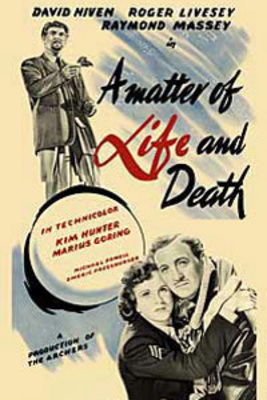
A Matter of Life and Death

A matter of life and death

It is one of the strangest aspects of conversations that I have with clients. It gets stranger and perhaps more difficult the older they become. We have to talk about a matter of life and death.

In essence, when all is said and done, financial planning is about trying to ensure that your money does not run out before you die. So we need to have a conversation about when that might be. We don’t know the answer. Death is a daily part of life, yet something that most of us manage to avoid talking about.

The motivation behind the question is obviously to attempt to make money last long enough, however it is also designed to prompt thoughts about what is life about, what do you want from it during this brief sojourn on this wonderful planet?

Thoughts may turn too quickly to estate planning and reducing inheritance tax, rather than considering the true inheritance that is being left…. the memory and impact of .. well…you!

I might (will) point to the financial impact of your loss to those dependant upon you, be they family or your business, but we all know that its much bigger and deeper than that don’t we. So good financial planning can take care of financial loss, but great financial planning will hopefully remind and inspire you to ensure that you make the most of the life you have now.

Another way to view death – acceptance

A dear friend of mine, who has had more than her fair share of grief drew my attention to this short video about death (and life). It combines images from various films and words of Alan Watts. It is worth taking the 3 minutes to watch it.

Dominic Thomas
Solomons IFA

You can read more articles about Pensions, Wealth Management, Retirement, Investments, Financial Planning and Estate Planning on my blog which gets updated every week. If you would like to talk to me about your personal wealth planning and how we can make you stay wealthier for longer then please get in touch by calling 08000 736 273 or email [email protected]
A Matter of Life and Death2025-01-28T09:57:00+00:00

Financial Scams – Be Warned

Financial Scams – Be Warned

Believe it or not July 2015 is financial scam month…. given all that is going on in relation to Greece, the ECB, IMF and European Union….not to mention FIFA, perhaps the timing is perfect. Anyway, there is a whole month being dedicated to warning you about financial scams. Sadly there are a lot.

Let me be very plain. A scam works because you are caught off-guard. It is not only the “foolish” that get scammed. Anyone is a potential target. As with most deceptive crime, emphasis is placed on appearing to help you, to warn you of impending problems and to then offer what seems like a logical or sensible solution – such as withdrawing all your money from your “compromised account”. One of the most despicable crimes is to then involve you in the entrapment of the fraudster…. when actually you are simply at a deeper level of the scam.

Your telephone number is a bit like a front door key. You answer the phone, the line is open. Invariably the fraudster passes themselves off as a Bank representative or a large well-known shop and they report that your card appears to have been compromised. If they are pretending to be your Bank, it is unlikely that they reveal which “Bank” they are calling from, simply allowing your mind to fill in the gaps. If they pretend to call from a shop, well frankly you aren’t likely to be that suspicious as you are being helped and advised that fraud was committed on your card in their shop.

Open Line

Your guard is down, because you think you are being helped, it doesn’t occur to you to ask the caller to confirm YOUR name or your bank account number. The caller with mind distracted asks you to check your card… the details, is there a number on the back to call the bank? yes… ok, call them. Goodbye. But actually the fraudster is still on the open line – even if you have hung up, the line is open (a problem that telecom companies have failed to address properly). You call back, but are essentially on the same call… answered by a colleague of the fraudster or even the same one, who then simply harvests your personal information to use… name, address, account information etc.

Another scam involves a fraudster posing a police officer, who suggests that they want to entrap the criminal. S/he suggests you withdraw as much as you can from your account and send it to them for assessment or tagging, perhaps sending a “secure” delivery car to your home to collect it from you. This is a scam, you won’t see the money ever again.

I know that these things seem “obvious” but in the heat of the moment, being caught off-guard and thinking you are being helped and could also help catch the fraudster, you are simply the next victim. Here is a link to a video from the BBC about this.

What you can do

Firstly if someone calls you offering to solve a problem with your banking or IT , challenge them with the sort of questions that your Bank asks you when you phone them…. but go full hog. Do not give them your details but ask them to tell you your details (which they are highly unlikely to have). Go further by asking them to confirm the last 5 payments that you made, the amounts, dates and sources. The fraudster will quickly give up and hang up.

I have had a fraud call centre call me warning that my computers at home had a virus. I knew this was bogus, but quickly appreciated how easy it is to be duped. Normally in those circumstances they ask you to download something to your computer… which is essentially a trojan horse, tracking your banking, which of course can lie dormant for some time, so you forget all about the call and think  you were helped by someone pretending to be from BT or whoever.

The 2008 film The Brothers Bloom is well worth watching to remind yourself at how skillful confidence tricksters can be and how little regard they have for the “relationships” that they create.


Dominic Thomas
Solomons IFA

You can read more articles about Pensions, Wealth Management, Retirement, Investments, Financial Planning and Estate Planning on my blog which gets updated every week. If you would like to talk to me about your personal wealth planning and how we can make you stay wealthier for longer then please get in touch by calling 08000 736 273 or email [email protected]

Financial Scams – Be Warned2025-01-21T15:56:43+00:00

Estates: What do I do when someone close dies?

Estates: What do I do when someone close dies?

Like most people, this is something that I have experienced personally on several occassions. Everyone says that when someone dies, “its a difficult time” – it is, but having just read a link from a follower on Twitter, clearly there are some organisations that are actually making life coping with death even harder. I’m fully aware that this is a morbid topic, invariably one that is met with humour, but of course it is deeply personal, highly sensitive and one that we all have to address.

Most of us do not get to time to organise our final farewells, but some do, this is perhaps the one of the few positives from a mortal illness or disease. However that doesn’t lessen the pain or the very real experience that “money” isn’t top of the to-do list. In fact in my experience with clients, “money” is never at the top of any “to-do” list. As you may know I like to draw connections with movies, I can only say that the WH Auden poem read at the funeral in “Four Weddngs and a Funeral” captures something of grief that few movies achieve.

Order, comfort and relief

One of the elements of service that a good financial planner brings is a sense of order to finances. Personally I favour simplicity and as people get older they tend to want less nuance, preferring something that is very easy to monitor and manage. Having your financial details available for you and your potential beneficiaries readily available is a genuine relief. Clarity of what you have, where it is and who needs to be spoken to is hugely undervalued. Just pause for a moment and ask yourself if you would value this now? who knows where all your important “stuff” is? Is it difficult even for you to remember what you have?

Reviewing your Will and ensuring that the Executors know their responsibilities (and can be helped with them) undoubtedly makes grief much less burdened by the practicalities of “the aftermath”. Its odd that only yesterday I was on a training day about Trusts – which when used properly can really help with estate planning, but naturally requires quite a lot of forward planning, but whether you need a Trust or not, the questions posed about your own death and how your estate and affairs are to be managed are applicable to most people. Whenever someone dies their estate needs “settling” which means giving an accurate account to all connected parties, including HMRC and the dreaded Probate and inheritance tax forms.

May I suggest that you read this personal article by Victoria Bischoff, a journalist at the Daily Mail who writes movingly and succinctly about the problems that she and her family faced despite her mother’s highly organised affairs. The link is here. I have been through the process personally and am aware of how what should be simple, becomes unnecessarily difficult.

Dominic Thomas
Solomons IFA

You can read more articles about Pensions, Wealth Management, Retirement, Investments, Financial Planning and Estate Planning on my blog which gets updated every week. If you would like to talk to me about your personal wealth planning and how we can make you stay wealthier for longer then please get in touch by calling 08000 736 273 or email [email protected]

Estates: What do I do when someone close dies?2025-01-27T17:04:22+00:00

Are you protected online?

Solomons-financial-advisor-wimbledon-blogger

Are you protected online?

Today has been a fairly frustrating day with a few IT problems. Thankfully nothing too serious, but I paused to reflect on how frustrating a slow computer can be…. yet I’m old enough to remember a time when getting onto the internet was a major event, when loading software was more or less hardware (floppy disk drives) or even a tape casette loading for what now would seem like eternity. So despite my morning blues, I ought to be a little more grateful of the progress that has been made by everyone concerned.

When your IT doesn’t do what its meant to do, I tend to think of how I might improve things. The ability to access information securely, pretty much anywhere, anytime. It reminded me of a conversation with someone recently who isn’t keen on financial protection. I have some sympathy with this perspective – after all who likes insurance? (other than insurance companies). However when or if you need to make a claim you are pretty glad you have it. So I tried to think of a useful analogy… we were meeting online… so I asked if he had virus protection? yes – Do you back up your computer? yes – Why? because the disruption, stress and chaos caused without it isn’t worth comtemplating.

Precisely the reason why you’d have any form of financial protection, except the consequences are rather more severe than data loss. As I outlined last week, there are various forms of financial protection, getting the right cover is rather like getting the right virus software…. something that perhaps Mr Stark (Iron Man) in the latest Avengers movie (Age of Ultron) might also want to remember… mind you, I suspect his cover might have a few extra clauses given his occupation.

Are you protected online?2025-01-21T15:44:01+00:00
Go to Top