
Elle

Elle

There are few films that I have seen that are as disturbing as Elle. Yet is it also a wonderful movie that I’d encourage anyone (over 16) to see. Arguably this is one of the most reflective tales of the current societal state of disassociation, but reduced to the sketches of the personal life of Michele Leblanc (Isabelle Huppert). I might go a little further to suggest that there is arguably a little too much thrown into the film, but that all rather depends on how you interpret.

Make no mistake, this is a traumatic movie. It begins with a rape scene which sets the story in motion and how the viewer reacts to this and the subsequent information. The setting of a severely dysfunctional family provides the context for the series of choices that emerge. There is no attempt to explain or pacify the viewer. This is a harsh, brutal look at “real life” and contemporary life.

A day of signficant trauma

I am conscious of tension that I really don’t want to spoil the film for you, yet wish to convey some of the plot. What is explained is that Michele is the daughter of a devout Catholic man who had managed to repress some of horrific feelings, which are then released in a day of carnage in her childhood and her mass murdering father is imprisoned. There are no explanations or justifications. What follows is assumed to be built upon the backlash of hatred towards the family. It is this trauma upon which Michele gradually builds her life. Relationships are inevitably strained and detached.

This virtual reality

In many respects, what we accept as normal, or ordinary without a questioning mind can leave us all somewhat detached from reality. It also leaves us poorer within a context that could be so much better. This is not a film about victim mentality, but of passive, detached voyeurism. Whether that be the obviously disturbing video game violence or the inability to value relationship. A religious persona that masks deep violence and crime against other. A simple a lack of honesty or inability to take responsibility, all the while soothed by a plethora of cute cat videos and nice cars. We are the sum of our choices.

The sum of your choices

So, what on earth has this to do with financial planning? I would argue that your choices are significant. A choice to do nothing is still a choice. People worry about money, but do little to address those concerns, making the choice to defer, to delay. Time is against us. It is the one resource that we all have equally today. The choices you are making compound into a result. Financial planning provides the space and opportunity for you to reflect on what you genuinely value, to challenge your own thinking and the narrative of our consumer culture. However, we all have a past, some have experienced awful traumas, this needs to be addressed if a better future is to be created. We all have limitations, but almost all have unlimited desires. A sense of peace and direction can be achieved when these are identified thoughtfully and respectfully.

The lubricant of modern life

Many people are detached from their finances, seeing them merely as a necessary lubricant for getting through life. Yet finance is active, we invest globally. We know the power of money and the pain of not having enough. Money can be violent or it can bring respite and relief. Somehow a healthy balanced view towards money needs to be constructed by each of us, which can act as the map to get us where we really want to be. In short, to be engaged with your finances, your financial plan needs to reflect your values – the real ones, some of which may be painful.

Here is the trailer for this very good, but disturbing movie, which has collected several awards and for which Isabelle Huppert is nominated for an Oscar as Best Leading Actress.

Dominic Thomas
Solomons IFA

You can read more articles about Pensions, Wealth Management, Retirement, Investments, Financial Planning and Estate Planning on my blog which gets updated every week. If you would like to talk to me about your personal wealth planning and how we can make you stay wealthier for longer then please get in touch by calling 08000 736 273 or email [email protected]

Elle2025-01-28T13:29:11+00:00

Jackie and grief in 1963

Jackie

I doubt there are many people over the age of 40 that do not know about the assassination of the American President… number 35, John F. Kennedy. One of the most iconic Presidents of American history helped somewhat by the charms of his wife Jackie. It is likely that you would have seen more than one movie about JFK, but not that many about his widow Jackie.

The film is of course, centred upon the assassination and its immediate aftermath. Retold, this time, from the given perspective of the then First Lady. Jackie Kennedy (played by Natalie Portman) suddenly became a widow at the age of 34. Her husband 12 years her senior had only been President for 2 years 11 months. Yet their brief “Camelot” was full of incident.

Grief on Display

Grief is of course a daily reality. We all lose people that we love. It is a deeply painful experience. When the effective Head of State is assassinated, an entirely different set of circumstances are presented to the grieving family and friends. There are practicalities of a ceremony to which dignitaries are expected. In this case JFK was killed on Friday and buried on Monday. This is set against the backdrop of anxious security forces on high-alert, not yet knowing the who, what, how many or why JFK was assassinated. A hasty usurping of position and removal from a home, albeit a temporary one. How to “behave” and conduct oneself? It is perhaps reminiscent of the thoughts that must have concerned the Royal Household when Princess Diana died nearly 20 years ago, albeit in very different circumstances, but the same dilemma – how to display grief.

1963 annus horribilis

The film touches on the wider context. Only 15 weeks earlier, the couple had lost their third child Patrick, just 2 days after her was born to infant respiratory distress syndrome. On Friday 22 November 1963 JFK left a wife and two small children, Caroline 5 and John 2. Both children had their birthdays that later that month, John Junior’s was the day of the funeral. Tough for any “normal” family to come to terms with. Certainly Jackie would be entitled to call 1963 her “annus horribilis”.

The truth about life assurance

Life assurance does not provide comfort. The financial services industry has always struggled to market life assurance and persuade people of its merits. It is a product that is only payable when a horrible event happens. What it does provide is the financial resource to continue, to go on, as gradually those left behind rebuild their lives. I have witnessed the benefits of life assurance and the strife caused by not having enough. I cannot overstate how important it is. The question of how much cover is really required will vary from person to person and how well resourced you are. It will also depend on how you have arranged your Will and your estate.

It is unlikely that your loved ones will be under the degree of pressure that Jackie faced, within the eye of the world’s media. However, you can plan to make any such event considerably easier than it might otherwise be. It is time to ensure that your own house is in order.

Here is the trailer for the film, for which Natalie Portman has been nominated for an Oscar as Best Actress in a leading role.

Dominic Thomas
Solomons IFA

You can read more articles about Pensions, Wealth Management, Retirement, Investments, Financial Planning and Estate Planning on my blog which gets updated every week. If you would like to talk to me about your personal wealth planning and how we can make you stay wealthier for longer then please get in touch by calling 08000 736 273 or email [email protected]
Jackie and grief in 19632025-01-27T17:03:43+00:00

Loving and not so loving

Loving

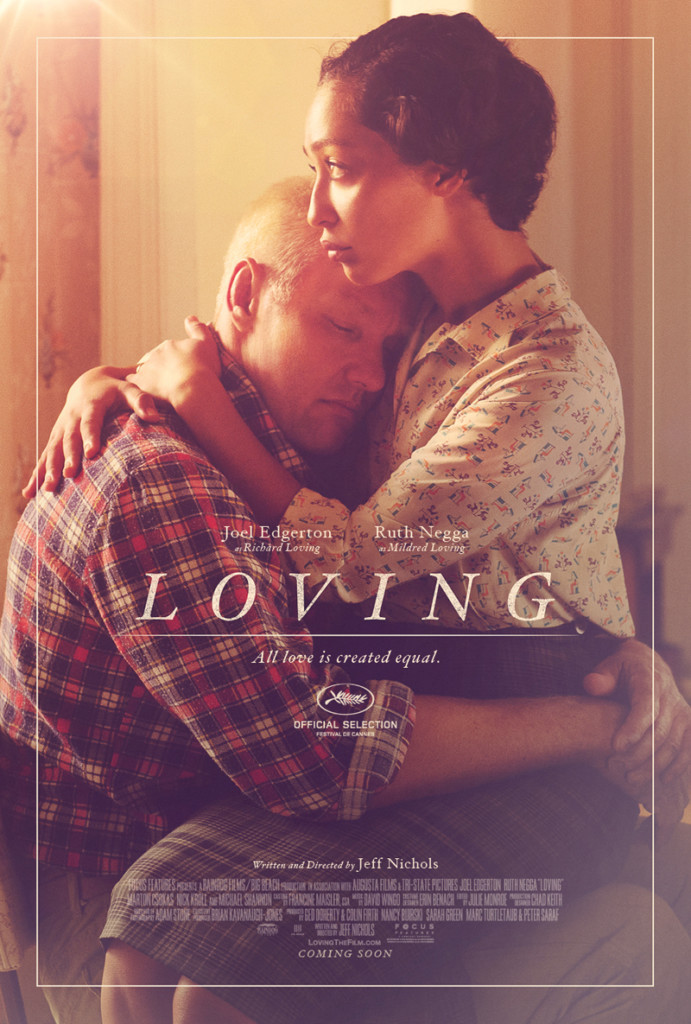
Yet another example of how times have changed – thankfully. The new film “Loving” is the true story of Richard (Joel Edgerton) and Mildred Loving (Ruth Negga). White man falls in love with black woman and marry in 1958, but not recognised within their own state of Virginia. Hard to believe that it was not even 60 years ago, yet thankfully seems a lifetime and world away from where we are today.

Or not so loving…

This is an ordinary couple, with an ordinary story, except for their determination to fight for what they believe to be right. Their surname is, of course, perfect for their story and perfect backdrop for its opponent, the State of Virginia.

A lifetime ago

60 Years ago, not that long ago really is it. Of course it’s a lifetime ago. Certainly, in lifetime financial planning terms these days that would be the rough timeframe we use for clients in their 40’s. Lots of people will be celebrating their sixtieth birthdays this year, people like Jo Brand, Robin Cousins, Steve Davis, Fern Britton, Paul Merton, Jayne Torvill, Dawn French, Billy Bragg and Stephen Fry to name just a few. It may interest you to recall the BBC TV news programme called Nationwide, which aired its infamous April Fool joke about Spaghetti growing on trees… was aired in 1957. Fake news is clearly not new.

Tempus Fugit

In short, time passes quickly. You cannot really put your financial planning on pause. Life moves on, rules change, economically, socially and environmentally. Change is our constant and whilst often feared, is generally our friend – except when it comes to deteriorating health.

Not always happy, shiny people…

The problem I have with some financial planners and supposed gurus within our field is that whilst they mean well, the future is uncertain. However adept they are at cashflow planning and deep-diving on your personal values and goals, life isn’t always a neat straight-line. Sometimes, horrible stuff happens, like an uninvited thug turning up in your bedroom in the dead of night. Health can fade, as can memory and the real problem is if everything is as it is today. Now. It is in the darker moments that a great financial plan will be tested. Your concern is unlikely to be about your next holiday or where to moor your yacht.

A New Rising Star

At 35, Ruth Negga, was nominated at the BAFTAs for the 2017 Rising Star Award and is nominated for an OSCAR as leading actress for this film “Loving”. She is great in the movie, though will have tough competition with Isabelle Huppert, Emma Stone, Meryl Streep and Natalie Portman. Anyhow, if Ruth Negga were a client (do get in touch if you are keen), then we would likely consider a 65-year time horizon for her financial plan. That is a long time. So much can change. She’s a talented actress and I hope that she has plenty of opportunity to get some good roles (there are woefully few for women). Yet her future is no more or less certain than anyone else’s. This is precisely why it is vital to review your financial planning regularly – and clients know we do this annually. Checking our assumptions and progress towards the future you are creating. Little remains unchanged, which based on history, is a rather good thing.

Anyway, here is the trailer for Loving. I gave it 7/10, shot and acted beautifully, some great lines, but it felt a little slow.

Dominic Thomas
Solomons IFA

You can read more articles about Pensions, Wealth Management, Retirement, Investments, Financial Planning and Estate Planning on my blog which gets updated every week. If you would like to talk to me about your personal wealth planning and how we can make you stay wealthier for longer then please get in touch by calling 08000 736 273 or email [email protected]

Loving and not so loving2025-01-28T13:29:11+00:00

Hidden Figures

Hidden Figures

Most of the work that I do for clients is behind the scenes… if you like our own hidden figures. Whether this is monitoring the performance of portfolios and reviewing asset allocations along with investment costs, these are aspects that fall into the “under the bonnet” category.

Getting the numbers accurate is something that we attempt in the knowledge that failure is almost certain. There are too many variables and too many unpredictable factors. We make assumptions, reasonable ones and review them – frequently. This is of course in relation to the future, not the present or indeed the past. Being precise is not an easy task, made ever harder when the rules are constantly and needlessly altered by the Government of the day… or week. Behind the scenes we are checking and reviewing, trying to ensure that your financial plan remains on track. We run test scenarios, but ultimately a plan is nothing without the risk of becoming a reality through implementation.

Inside NASA

I was intrigued initially by the title of the new film “Hidden Figures” and then realised that it was about mathematicians at NASA. In particular black, female mathematicians and their vital contribution to NASA space exploration and the moon landing.

We Three Queens

It is hard to comprehend the segregation that was widespread in America. Yet sadly, it has become increasingly apparent that America continues to struggle with an undercurrent of racism. Hidden Figures is a wonderful movie, telling the story of three women in particular, Katherine Johnson (Taraji Henson); Dorothy Vaughan (Octavia Spencer) and Mary Jackson (Janelle Monae). Frankly, these three shame my own mathematical abilities, but I guess that at least financial planning isn’t rocket science. They were true pioneers and wonderful examples of determination, despite obstacles designed to deliberately impede, thwart and oppress.

Robo-Advice

There are messages within the story beyond that of challenging racist attitudes. These women faced the constant threat of being made redundant due to the advances in technology. Today the device that you are reading this from probably has more computing power than Apollo 11 enjoyed. The challenge of technology replacing people, is a real one. In every field there is the prospect of computers doing the work more effectively. In my field, we call it robo-advice. Some are very concerned for their future.

Being right, Being present, Being human

It seems to me, that most of us enjoy and appreciate the advantages of technology, yet still prefer to deal with a real person. Being right isn’t the same as being present, or being able to dialogue thoughtfully. The problems seem to arise when we treat each other as less than people, inhuman, something that Johnson, Vaughan and Jackson fought against with enormous courage and dignity.

Here is the trailer. I think it’s my favourite of this year’s short-list for Best Picture. The audience at the local Wimbledon Odeon cheered and clapped, not something that happens regularly. Perhaps because, for me, it reveals both the worst and the best of America.

Dominic Thomas
Solomons IFA

You can read more articles about Pensions, Wealth Management, Retirement, Investments, Financial Planning and Estate Planning on my blog which gets updated every week. If you would like to talk to me about your personal wealth planning and how we can make you stay wealthier for longer then please get in touch by calling 08000 736 273 or email [email protected]
Hidden Figures2025-01-28T13:29:11+00:00

Nocturnal Animals, skin-deep values

Nocturnal Animals

The stories we tell ourselves invariably shape our lives. The choices we make about a partner, a spouse or a career are born of our own life experiences, encouragements and admonishments.  In our culture, success, invariably translates as material wealth. Increasingly this is underlined by fame or notoriety, where maintaining an image is all. Nocturnal Animals explores these ideas.

Hungry 

Traditionally within financial services, we have all been encouraged to want rather more. More will make us happier. To define our success by the amount of our net worth.  When I began advising, over a quarter of a century ago, the mantra of the day by those leading and training new recruits was to encourage over-reach. To ensure that advisers were sufficiently motivated (hungry) to achieve sales.  We were encouraged to appear successful, to be the success we wanted, despite not yet possessing any. Many took this as instruction to buy and acquire the things that presented the appearance of success, getting into debt in the process. This created further imperative to sell. The world of the adviser was very much “eat what you kill” which in short meant, if you don’t sell, you don’t eat. Almost everyone was self-employed.

Pressured Living

The result of a commission only culture, was unsurprising. “Advisers” were under huge pressure to make a living – which involved selling policies. This resulted in high-pressured sales and of course the bigger the commission the better. Anyone that genuinely wanted to advise clients fairly (by which I mean, not to rip off) was generally derided and ridiculed for their paltry earnings and stance.

Stand up, get out, shake up

Those advisers and firms that wanted a more ethical, sustainable approach had to choose to go against the grain, charging fees in a world of “free advice”.  There were not many and it was only in 2013 that the regulation was put in place to make this the case, though it’s still half-baked now.

Predators and wild beasts

The stories we tell ourselves, to justify our actions are important and explored in the gripping, violent and intense drama of “Nocturnal Animals”. Exploring the base elemental instincts of desire, hunger and longing for success. Like animals on the prowl, laying traps for prey. The villain of the film, Ray Marcus, is utterly horrible and brought to life with a performance that will leave you sleepless by Aaron Taylor-Johnson.

Now you see me…

Today the entrapments are ever more subtle, though I’m sure Shakespeare and others would contend otherwise. Hiding a lie between two truths, disguising fact for fiction and vice versa (how Shakespearian right?). In the film, art dealer Susan (Amy Adams) is confronted with truths about her past that go some way to explaining her current malaise. The revelations are presented in a gripping, horrifying work of fiction. There are discomforting lessons for Susan and for us all. Who and what we choose to listen to and believe, has consequences, contrary to the narrative that implies otherwise.

Knowing not wanting

Whether you are a client, an adviser or just checking out our website, the key to knowing what we (all) really want and what we (all) value, requires understanding what and who we don’t want to be. As for Nocturnal Animals, it has both style and substance. As for the financial services industry, it still lives with the legacy of the past, as do many investors. Here is the trailer for Nocturnal Animals, an enthralling film by Tom Ford…

Dominic Thomas
Solomons IFA

You can read more articles about Pensions, Wealth Management, Retirement, Investments, Financial Planning and Estate Planning on my blog which gets updated every week. If you would like to talk to me about your personal wealth planning and how we can make you stay wealthier for longer then please get in touch by calling 08000 736 273 or email [email protected]

Nocturnal Animals, skin-deep values2025-01-28T13:29:12+00:00

HBOS scam, stranger than fiction

Dominic Thomas
Feb 2017  •  4 min read

HBOS scam, stranger than fiction

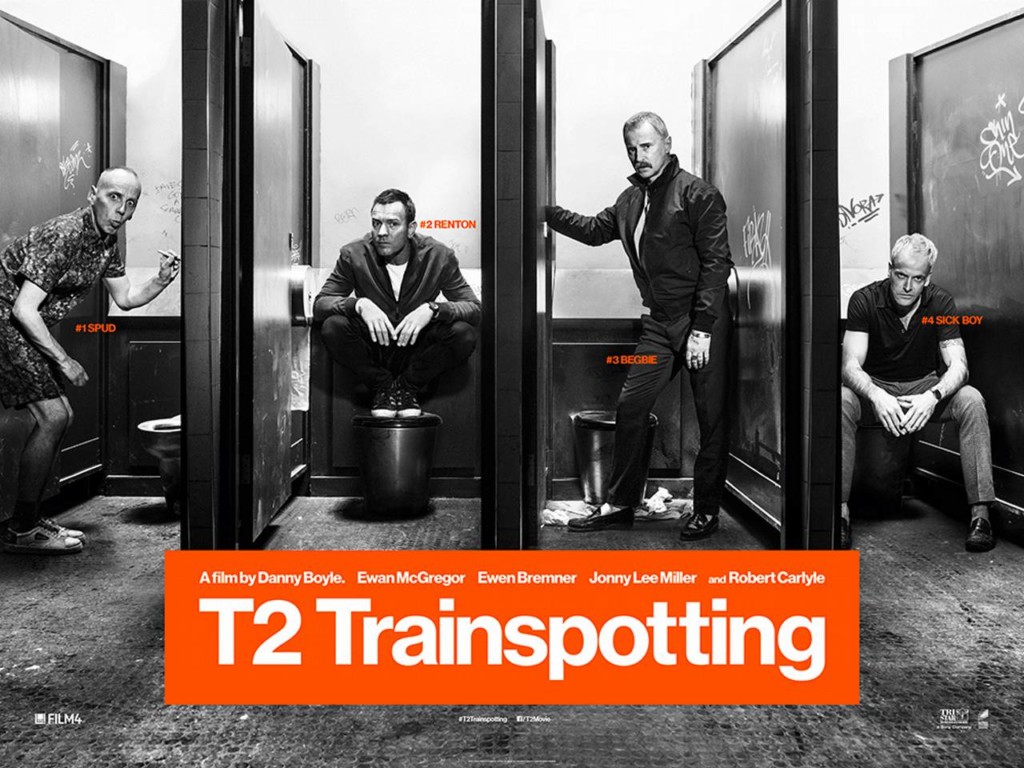
Yesterday I wrote about Venture Capital Trusts and explained that any business is reliant upon its management. You might recall my use of the new Trainspotting film T2 as an illustration of poorly suited characters for management of any business. If T2 is 20 years on then this must surely be Trainspotting 40 years on…

As is often the case, reality can be stranger than fiction. On 2nd February 2016 there was finally a successful conviction of fraudsters Lynden Scourfield and David Mills. They are guilty of a £245m loans scam. Scourfield was a manager at HBOS, supposedly tasked with helping struggling businesses. He was bribed by David Mills to pressure HBOS business clients to use a business services company called Quayside Corporate Services. Quayside was owned and run by Mills and his wife Alison. Together they set about extracting huge sums in fees from HBOS business clients who were being told that they would lose HBOS support and sources credit finance if they didn’t comply. Many ended up going bankrupt.

Like Characters from Trainspotting…

These three and three others (Mark Dobson, Michael Bancroft and John Cartwright) have finally been sentenced to prison, having spent huge sums on all the typical cliché trappings, all evident in both Trainspotting films. They ruined various businesses, who were trapped within the Bank, who issued fairly standard penalties which evolved into eviction notices with employees of the bank deceiving their own internal systems which then kicked in to the normal processes for how to handle a failing business (which you can imagine). Under pressure people do strange things, and a number of the business owners that were scammed, gave away control and or ownership of their own businesses. However this appears to be largely due to the complexity of the scam and a classic confidence trick, regularly reassuring the HBOS customers that the Bank was agreeing their finance.

Ripped off Businesses that were ruined

This is a deeply disturbing case of a major bank failing to understand that its own staff were scamming its customers. According to reports, the scam may have amounted to around £1bn, although official reports suggest £245m, all over a 4-year period between 2003-2007 (just before the credit crunch). Thankfully the six involved, have been rewarded with a collective 47 years and 9 months in prison. You may recall that HBOS was rescued by Lloyds TSB having notched up £45bn of bad debt and at one point it was reliant on a £25bn lifeline from the Bank of England. Well done Thames Valley Police.

HBOS scam, stranger than fiction2025-01-28T09:55:26+00:00

Investing in a Business

Investing in a Business

One of the ways that Government attempts to create jobs is to encourage and stimulate small businesses, start-ups or recently started businesses. The Prime Minister wants these to scale up, not simply start up. So as a regular investor (which in my world we call a retail investor) there are various ways that you are incentivized to be part of this wealth creation.

Tax effective incentives

Venture Capital Trusts, Enterprise Investment Schemes, Small Enterprise Investment Schemes are all such investment structures designed to encourage you (with tax incentives) to invest into new businesses. Generally, though not always the case, these would be businesses looking for money, to which traditional banks don’t, can’t or won’t lend. Since the credit crunch, despite the Government pouring billions into the system, most lending to small businesses has not increased. Indeed any chart on the topic would suggest that Banks are positively less than helpful.

A Different Approach

As we approach the end of the tax year, various specialist companies will produce offers for these tax efficient investments. The rules for them are fairly complex, primarily because they  (the rules) seem to get changed each year. It would certainly be true to say that the degree of investment risk is generally much higher than say investing into most normal investment funds that track an index. As with most things, there are good and not so good and some downright awful. Despite being 3 or 5 year investments, in reality they are long-term investments, where the positive rewards may take some years to bear fruit, and as with almost every business, extracting money from them requires a carefully considered exit strategy and ideally several potential buyers.

The company you keep

In the latest Trainspotting film, (T2, which is a return to Edinburgh and the characters from 20 years ago) two of the characters (Renton and Simon) decide to have a proper go at running a “business”. Despite being “creative thinkers” and possessing “the gift of the gab” rather more is required to run a successful business.  Sadly, their skill set and personal focus do not lend themselves to a successful outcome. Some investors could be forgiven for thinking that the degree of risk being taken is similar to that of investing into non-mainstream investments. However the only thing in common is the capability of the management of the business. Good managers can turn a bad business around, but equally a good business can be ruined by bad management. We all know that there are some very unsavory characters in business, some even cross-over into politics. Trainspotting has a particularly nasty character. As is always the case, people are key. In this form of investing, it is certainly the case that a good business plan  requires a good management team to implement it.

Choose wisely

So (and here is where you imagine Ewan McGregor reading this) if you think that you might want to choose to invest in small businesses, choose to create jobs, choose wealth creation, choose something a bit different, choose a dose of tax relief, perhaps you should be thinking about choosing to invest into an EIS, SEIS or VCT. As with T2 it won’t be everyone’s cup of tea, (or drug of choice).  Generally, you’ll need a minimum of £25,000 to invest. This is for those that do want to choose some of the companies that will make a mark on the next 20 years. Those that are comfortable with the risk. Those that are choosing to invest for the long-term and have a clear idea of what they are getting into. Then investing in businesses can provide a rewarding experience. But choose wisely. Here is the trailer for T2: Trainspotting.

Dominic Thomas
Solomons IFA

You can read more articles about Pensions, Wealth Management, Retirement, Investments, Financial Planning and Estate Planning on my blog which gets updated every week. If you would like to talk to me about your personal wealth planning and how we can make you stay wealthier for longer then please get in touch by calling 08000 736 273 or email [email protected]

Investing in a Business2023-12-01T12:18:49+00:00

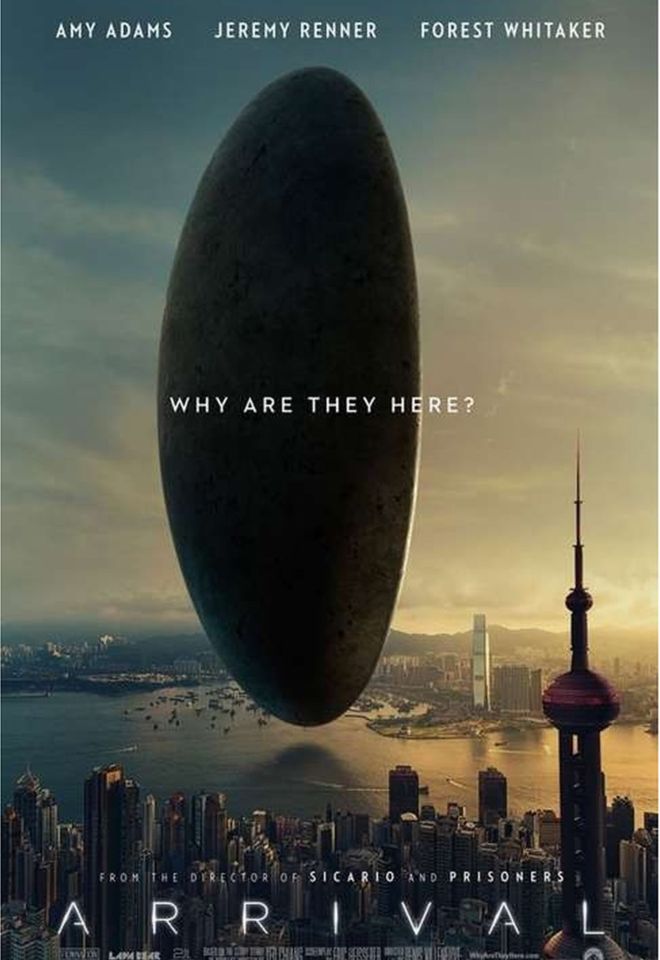
Arrival in Time

Arrival in Time

“There are days that define your story beyond your life, like the day they arrived”. Arrival, tells the story of an alien arrival (I’m not giving anything away). The film itself will likely get your grey matter working hard grappling with the concept of time. This is a very different alien movie, unlike any other that I have seen as it challenges the concept of time…well ok Interstellar did this too… and perhaps a little like the HG Wells story, but different in that it proposes time as non-linear.

Time as an image

As a financial planner, we use cashflow modelling in a very linear application. The present, perhaps a nod to the past, but a plan for the future. The result is translated into an illuminating image, which clients find very helpful indeed. Yet it is linear, which is of course it’s limitation. A great financial planning meeting will attempt to address questions about whether some of the plans in the future can be brought further forward, perhaps much more into the present. Never-the-less it is still a linear experience.

Life is a journey… and some

The movie Arrival is not really about aliens. It’s about communication and about being able to develop the adage “life is a journey, not a destination”. One that we play with in this site. Many people find financial services jargon to be fairly alienating. Communication is not something that our sector has done terribly well in the past. The film seems to ask the question whether we would change the image, if our life was reduced to a single image, with all its joys, but with all its pains. One might argue that there is something almost deity-like in this understanding of time and it is rather different from our more linear rational explanation. This might be viewed by the fairly expected traditional male approach of binary thinking, as often displayed in our world, with the “if you aren’t for us, you must be against us” rationale. This is given character in the usual full military display and response to anything different or other worldly. It takes a female linguist (Louise, played by Amy Adams) to have the humility and wisdom to listen and comprehend the message provided by the Heptapods.

Lessons from Arrival

Financial planning looks at the future and adjusts the present to have a better chance of reaching the one you want. Arrival, is more accepting of what is, when it was, is or will be, but all at the same time. Time is not linear. So, from a financial planning perspective, the movie doesn’t teach us a lot other than to remind us to listen to what is being communicated and attempting to avoid the binary choice mentality that is rarely constructive. However, the idea of being able to visualise and create an image of your life for you to see, well that’s very much an aspect of proper cashflow modelling, which is all about conveying your choices about the future visually.

If you haven’t seen it yet, here is the trailer for Arrival. I enjoyed it a lot.

Dominic Thomas
Solomons IFA

You can read more articles about Pensions, Wealth Management, Retirement, Investments, Financial Planning and Estate Planning on my blog which gets updated every week. If you would like to talk to me about your personal wealth planning and how we can make you stay wealthier for longer then please get in touch by calling 08000 736 273 or email [email protected]
Arrival in Time2025-01-28T13:29:12+00:00

Your Capacity for Loss

Your Capacity for Loss

One of the more difficult aspects of financial planning is the subject of capacity for loss. In essence this attempt to assess how bad things need to be before your lifestyle is significantly worsened. Most think in terms of the decline of a portfolio due to stockmarket crash, which would also affect the level of income that could be withdrawn from it sustainably.

Your appetite for risk, (or risk tolerance) is normally tested using a psychometric tool, such as the one we use (FinaMetrica) is different – testing your ability to cope with the shift in value of your portfolio (or volatility). All tools are flawed and in reality, it isn’t a process for generating an answer, more of a helpful starting point in a discussion. Capacity for loss has more to do with your financial ability to cope with loss.

A financial planners job is to attempt to ensure that your money lasts a little longer than you do. Yes its more complicated than that in practice, but if you strip away the mechanics and maths, that’s invariably where it leads.

What you have to lose

However, putting a number on this is arguably an impossible task. There are lots of relevant variables. Your age, investment timeframe, years until you retire, health, family commitments, income and expenditure, net worth, cash reserves, debt and insurance and of course this is all a moving continuum. Many clients will at some point say that they will live within their means, to cut their cloth accordingly, which of course is a sensible approach to the restrictions of real life.  However, in practice this can hurt, and it’s easier to blame someone else for discomfort, that it seems, is what our political system is all about.

Why capacity for loss is an issue

I assume (which is therefore prone to error) that the regulator is concerned about capacity for loss, because it would appear that over the years there have been many investors that simply didn’t understand what they had invested in and it would seem did not understand how the impact of an investment going wrong might impact them. Neither did they understand the illustrations. I would suggest that this is in part due to a lack of financial education, a lack of adviser explanation and frankly a lack of interest.

We live in a world of risk

The truth is that investing carries risk, but then so does not investing, just a different one, which can be equally as painful. In real terms, by which I mean once you allow for inflation, many people’s income has reduced over the last few years. Inflation, currently very low can ravage away at the power of the money you hold. So, holding cash, which is currently generating less than inflation each year is essentially going backwards.

There is always somewhere to be King…

By historical standards we are all rich, by global standards we are all rich, but you may not feel it.  Indeed, to be richer, or certainly feel richer, simply encash your worldly wealth and move to somewhere that is obviously poor, there you can live like a king…. Isolated, needing high castle walls and compelled to spend huge sums on defending what you have. Rich, but perhaps not connected.

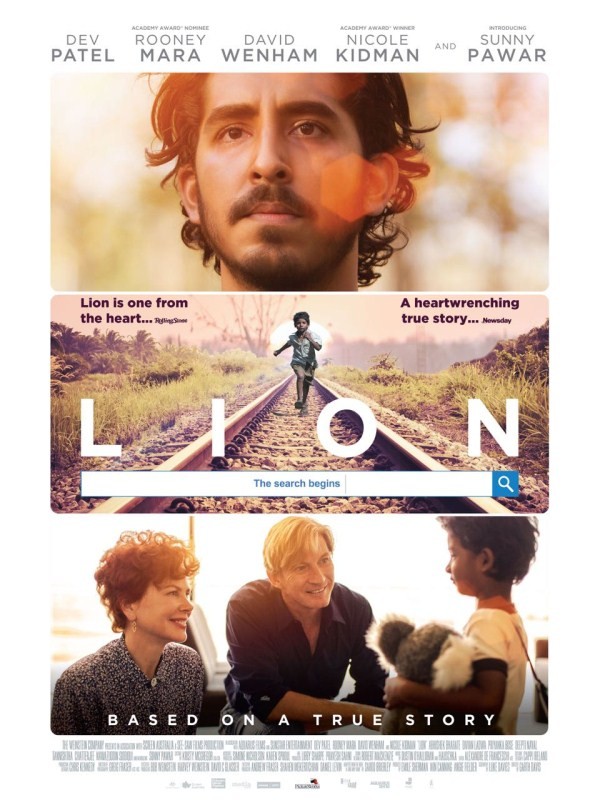
The roaring Lion

May I suggest an alternative? Perhaps pay a trip to the cinema to see Lion. This is the true story of how a small boy from a very poor village in India, gets lost and is eventually adopted by an incredible Australian couple. His life takes a very different path but eventually leads to a search for the family he lost.

Keep in mind the 767 million

We all know that most of the world is poor by our standards, and we are told that things are gradually improving, fewer people are in poverty, in 2013 10.7% of the world live on less than $1.90 a day. In the previous year, it was 12.4% (World Bank). That’s still 767million people, but 35% less than in 1990.

None of this is news to you. Yet I found myself confounded and discomforted once again by the plight of millions living in poverty and vulnerable children, who live on the streets and experience all sorts of abuse. I came away with a mixture of feelings, grateful that I don’t live in such circumstances, perplexed at why Governments don’t do more to serve their own people well and perhaps too a little ashamed of my own lifestyle choices, when so many have so few. So, I do wonder if it is ever truly possible to be even vaguely precise with terms like capacity for loss in a world of such extremes.

As for the film, it is very much worth watching and its good to see Dev Patel has been nominated for some awards along with the film. Here is the trailer.

Dominic Thomas
Solomons IFA

You can read more articles about Pensions, Wealth Management, Retirement, Investments, Financial Planning and Estate Planning on my blog which gets updated every week. If you would like to talk to me about your personal wealth planning and how we can make you stay wealthier for longer then please get in touch by calling 08000 736 273 or email [email protected]
Your Capacity for Loss2023-12-01T12:18:52+00:00

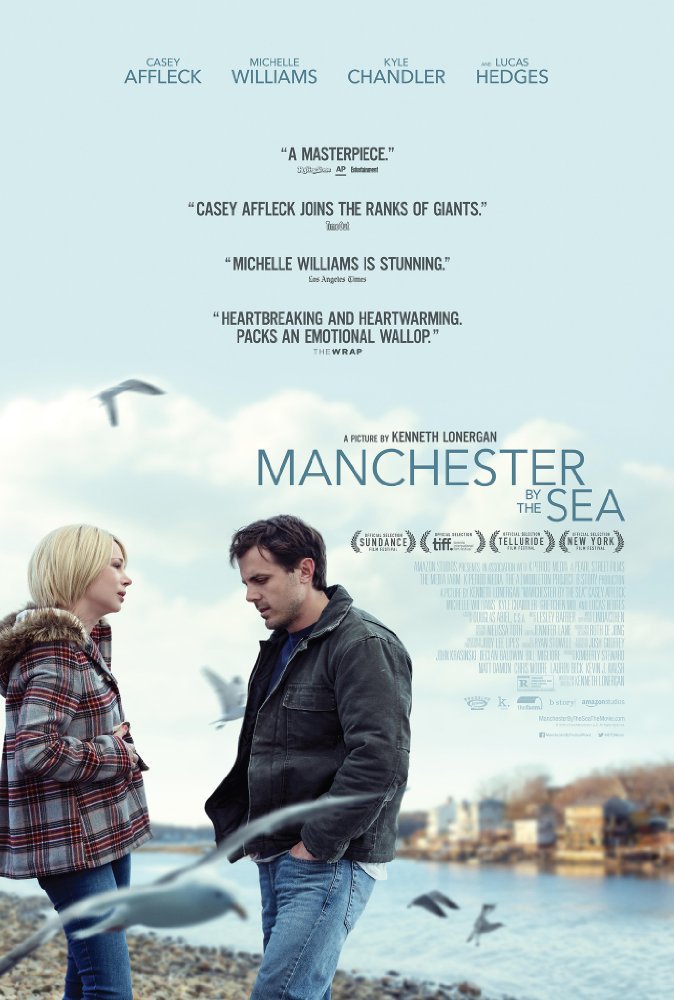
Loss and Manchester by the Sea

Loss

Coming to terms with loss is perhaps one of the more significant aspects of the human condition. As a financial planner, loss is normally thought of in terms of the value of investments falling and how much money is ‘lost’. However, financial planning isn’t really just about money, its about planning your life (as far as one can) and then building financial architecture to deliver the plan.

A financial planner will also reflect on your loss and the impact that this would have on your financial plan and those that you leave behind. A really good financial planner will also help you think beyond your own family. How would your children be cared for if both parents are no longer alive? What are the practical implications for those appointed as Guardians or Trustees?

A Deep, Dark Sea of Despair

Manchester by the Sea is a film that has been short-listed (amidst some controversy) for a lot of awards .  Its well acted, but its grim. Little good happens and worse still, the main character (Lee Chandler played by Casey Affleck) doesn’t seem to find any real sense of resolution. The traumas experienced are raw and undeniably bleak, yet there is no sense, or perhaps, I had no sense that the lead character was ever going to be able to process what happened with any degree of resolution. Admittedly he faces horrendous set-backs (understatement) which would always be very difficult to overcome, they are life-changing.

I couldn’t do without…

It is still a surprise to me that so few people have a Will – something that every adult really needs. Most do not have adequate levels of financial protection in place. You are your biggest asset, yet many people are more likely to have insurance on their drains, pets, smartphone or washing machine than on their own life, or a lifetime of income… the very thing that pays for the drains, pets, smartphone and washing machine.

The Predictability of Loss

We all know that we will experience loss again in our lives, it is a regular feature and one for which we can prepare to some extent. So why not ensure that if you have agreed to be a Guardian or Trustee, that you know what to expect. Similarly have you discussed with your appointed Guardians or Trustees some of the key concerns you might have? The how, why, what and when of your Will and the implications for how your family are cared for.

It is my hope that you never need to claim on your financial protection. Doing so implies that personal tragedy has occurred.  There is the rather strange dynamic where I hope you never need what we arrange. If it is needed, then at least the comfort is that you had prepared as well as you could for those that are truly important to you.

So if you are now suitably prompted to rethink your value, please get in touch. If you’d like to know what to avoid with some better communication, here’s the trailer for Manchester by the Sea.


Dominic Thomas
Solomons IFA

You can read more articles about Pensions, Wealth Management, Retirement, Investments, Financial Planning and Estate Planning on my blog which gets updated every week. If you would like to talk to me about your personal wealth planning and how we can make you stay wealthier for longer then please get in touch by calling 08000 736 273 or email [email protected]
Loss and Manchester by the Sea2025-01-23T10:55:44+00:00
Go to Top